Feeds:
Posts
Comments

Archive for the ‘Travel’ Category

Twenty years from now you will be more disappointed by the things you didn’t do than by the ones you did do. So throw off the bowlines, sail away from the safe harbor. Catch the trade winds in your sails. Explore. Dream. Discover.” – Mark Twain

In a perfect world there would be no boundaries and we would all be citizens of the world, free to roam from place to place at our heart’s desire. Until that day comes, you’re going to need a government-issued passport.

Passport 101

King Henry V of England, most noted for his great military mind is also credited with inventing what is considered the modern version of the passport. Earlier references to the passport have also been found in the Hebrew Bible. In medieval Europe a document was required in order to pass through the gates of a city wall or traverse a territory.

American in Paris?

The latest statistic regarding the percentage of Americans (less than 30%) who own passports is a little sobering and quite frankly, a bit suspect. I disagree with the popular assumption that Americans are fundamentally unadventurous, isolation-loving people without a global perspective. I assert that the low number of passports issued is misleading and actually a reflection of many mitigating factors including: 1) The geographical make-up of the United States. It is a vast, diverse land filled with amazing places (national parks, big cities, beautiful beaches, majestic mountains, etc.,) that keep Americans sightseeing within its borders; 2) The U.S. neighbors only two other nations, unlike Europe which has nearly a total of 50 border-crossings on its continent. For example, an Austrian boards a one-hour flight or sets out on an eight-hour car trip and reaches a myriad of foreign countries. A one-hour flight from San Francisco takes me as far as Los Angeles, Las Vegas, Portland, and somewhere in the middle of the Pacific Ocean; 3) If you are a member of the working middle-class it is likely you have only two-weeks vacation a year and on top of that; 4) foreign excursions can be quite expensive.
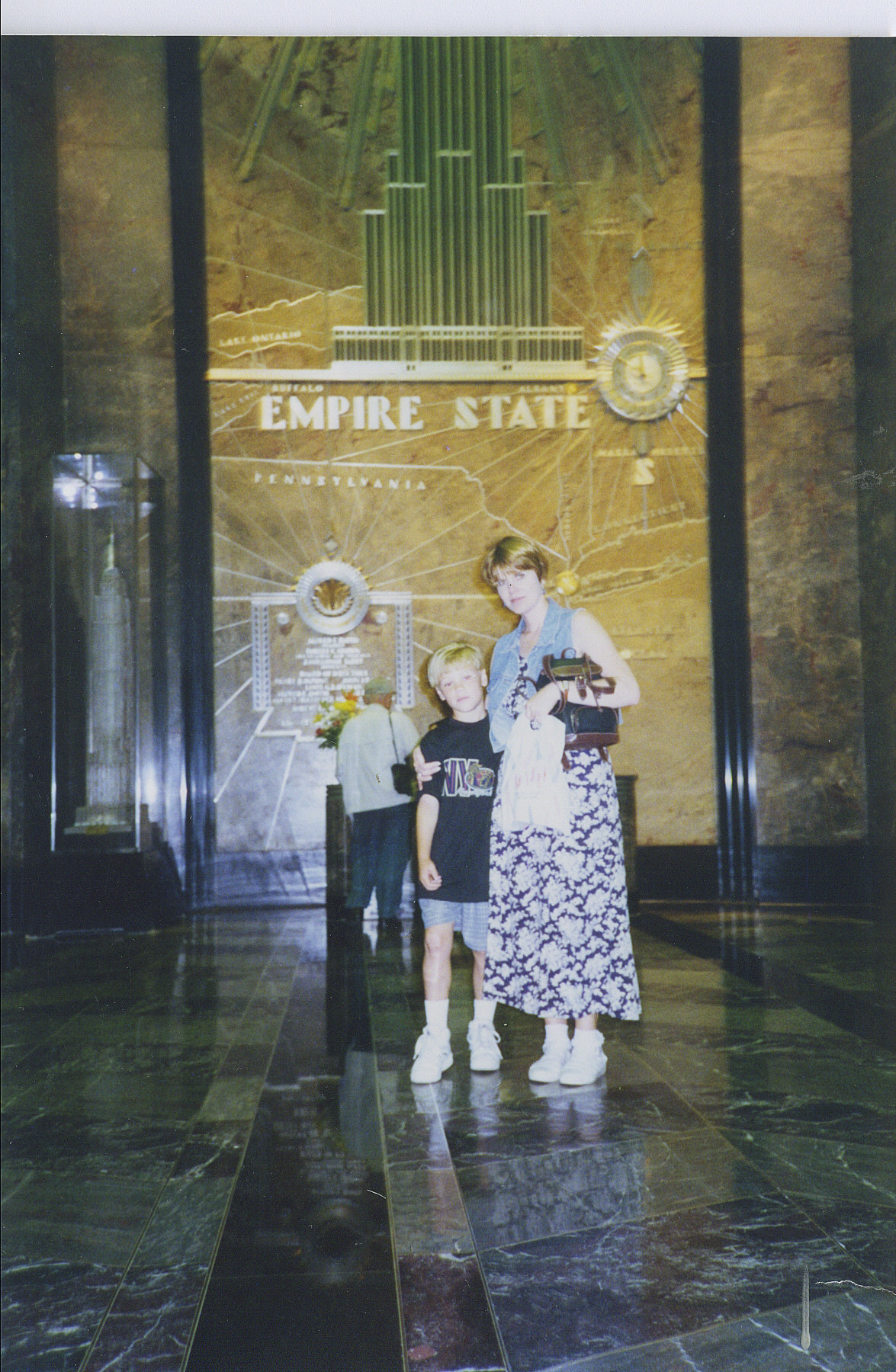
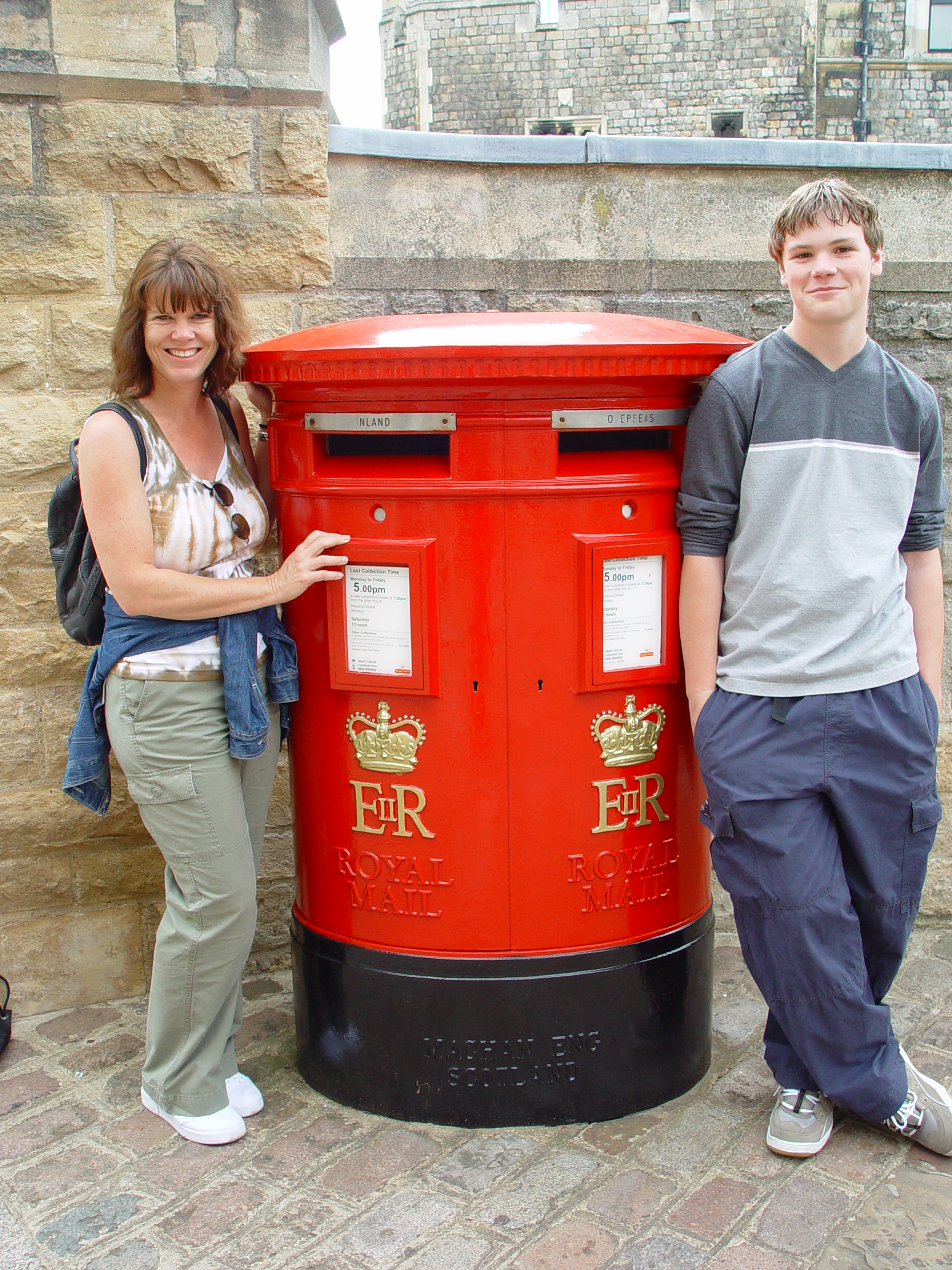
But for those who choose to hold a passport, they hold unlimited possibilities in their hands. This tiny book has power. With it you have permission to pick-up and jet-off to strange and exotic locations at a moments notice. My son has let his passport expire and I am continually nagging him to get it renewed. “You never know when you might need to fly to Paris for lunch”, I say. He rolls his eyes. He’s right, this situation doesn’t come up too often – but it never hurts to be ready just in case. As for me, I caught the “travel bug” later in life and I caught it with a vengeance. Just recently I renewed my passport and sweated those few weeks without it. It was a relief to find it in the post safe and sound. I look forward to the next 10 years of gallivanting.

My recent passport is only the third in my lifetime. Growing up in our family meant we never ventured farther than our Ford Country Squire station wagon could take us. In college, I went to Mexico quite a few times, but back in “the day” you weren’t required to carry documents to go south or north of the border. In 1982 I took my first international flight to Sydney, Australia for a friend’s wedding and joined the prestigious group “world traveller”. Since that time I’ve been to only a handful of different countries: Mexico (twice), Costa Rica, The Bahamas, England (twice), Germany (twice) and of course, Italy (dozens of times). In two months time I will be adding France to that list. My Passport Personality: Late Bloomer.
On this ever-changing, fluid planet it is nearly impossible to maintain an accurate list of countries in the world. The Travelers’ Century Club has compiled a “Master List” of countries, territories, autonomous regions, island groups, states and provinces that theoretically make up the world. Currently there are 872 places pinpointed. No one person has visited them all, but a few have come close. My friend Marisa is in her 30s and has one of the most impressive passports I’ve ever seen. (The photo at the top is from a page in her actual passbook). She considers it among her most prized possession. She’s travelled since she was a baby and in her teens and early 20s lived many years abroad (both on land and on boats). She is now gainfully employed as a maritime attorney, so her globe-trotting has stalled a bit. But deep down inside she will always have the heart of a vagabond and wanderlust in her veins. Her Passport Personality: Marco Polo.

So, what does your passport say about you?

by Toni DeBella

Read Full Post »

February, 2009

A friend was visiting on a sunny, frigidly cold winter’s day when most people would have preferred to stay indoors and keep warm. Not us. We hopped on a bus that dropped us in Bagnoregio, then hiked up to the footbridge to the top of Civita’.

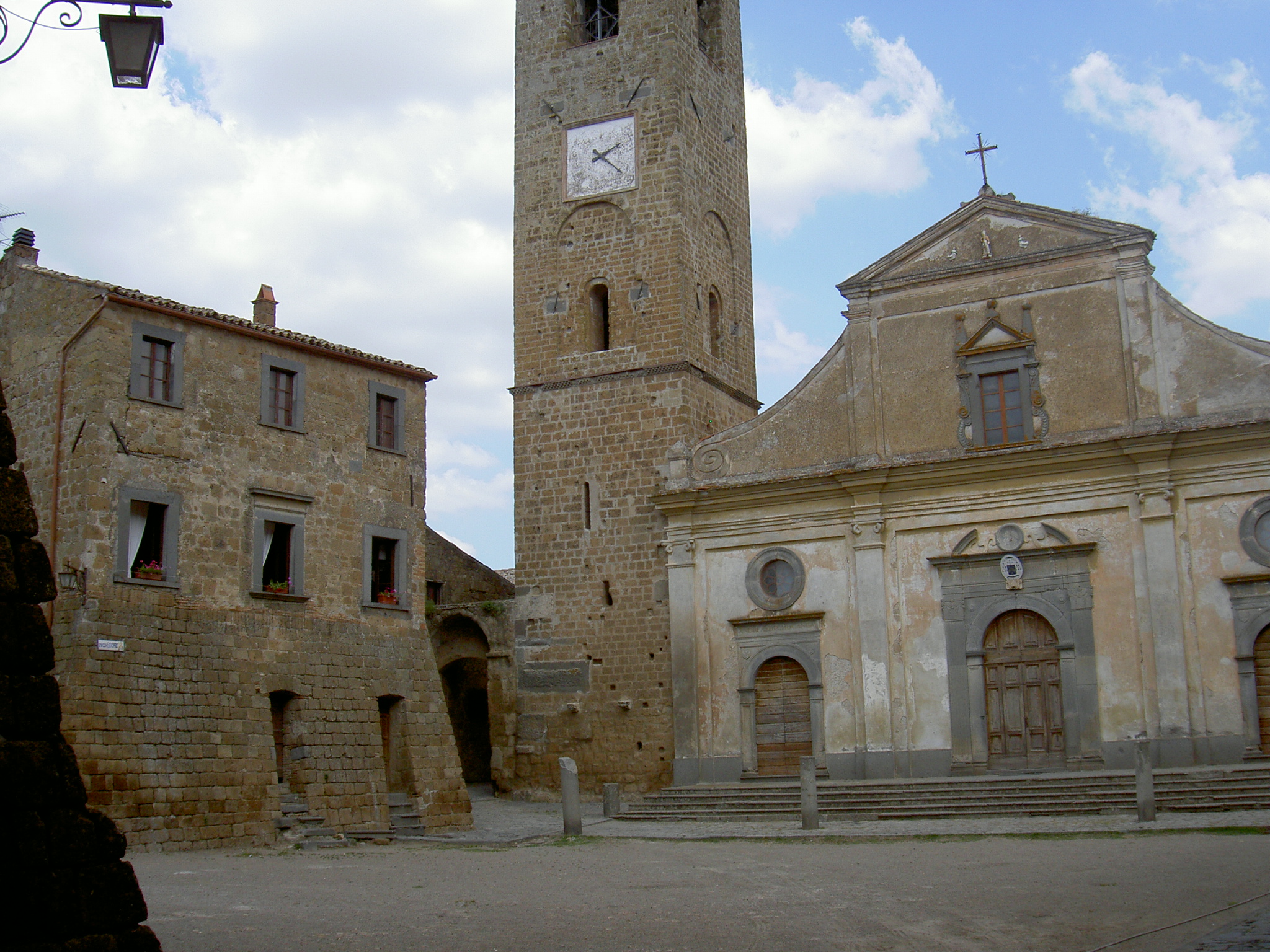
CivitaCivita’ di Bagnoregio (“the dying town”) is located 145km north of Rome in the region of Lazio, overlooking the Tiber Valley. The village seems to float above the earth in a cloud, but has the unfortunate distinction of being one of the world’s most endangered places; the town is slowly crumbling and sliding down its cliffs.

This little borgo has always had a strange allure for me (as it has, I’m sure, for millions of others who have experienced visited). The atmosphere that day was a little eerie because there didn’t appear to be any other souls in town (except  two ambling cats in the main square). It’s a favorite stop of tourists in the spring and summer, but on this February afternoon, the streets were quiet and deserted; underscoring the heartbreaking reality of the city’s inevitability. I’ve visited Civita’ three times in my life. The first was as a tourist. The second was as a dinner guest at the home of a friend (which was pretty amazing considering there are only a dozen residents remaining in this little hamlet). My last visit was by far the most memorable.

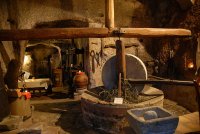
A small sign hanging in a courtyard is the only indication that there’s a thriving business inside a grotta at the end of the enchanting patio. Bruschetteria L’Antico Frantoio is too tiny to be called a cafe’, and the menu is too limited to be a restaurant – so it’s simply called a “bruschetteria”. I imagine it’s like no other bruschetteria in Italy. The Rocchi family has been operating this iconic destination of travelers for decades with its 1500 year-old olive oil mill (frantoio) in the back. The mill, which still functions (although it’s retired) has been in the family since 1520. Today, the family’s Agriturismo “Le Corone” in a valley nearby produces all of its oil.

On this day, Felice Rocchi was our host and chef. A remarkably efficient use of space, there is only a fireplace to grill the bread, a counter to assemble and serve the bruschetta and wine, and a few tables covered in tablecloths. I think we were Felice’s only customers that day and since we were in no hurry to return into the freezing wind, the three of us passed a very pleasant afternoon talking and eating the most amazing olive oil-soaked bruschetta and drinking the freshest house red wine. We chatted about Felice’s family, got a private tour of the Etruscan well in the cantina, and together devised a kooky plan to help bewildered Jtourists how and what to order. He promised us a cut of the projected profits from our little scheme, but I think when I return, I’ll ask for my share to be paid in bruschetta.


by Toni DeBella

Read Full Post »

One of my great fortunes in life is having two close friends who work as Flight Attendants for major international airlines.  These two women both collectively and single-handedly enable me to feed my addiction to Italy (or as I sometimes like to refer to it, “my crack”).  The companion fare or “buddy pass” is a way of traveling that’s not for the faint of heart.  It requires nerves of steel, the patience of Job, the imagination of Sherlock Holmes, and the ingenuity and resourcefulness of MacGyver.  It also helps to have an innate ability to build alliances and form coalitions with the other “buddies” in line for the few choice “non-revenue” seats.  It’s sort of like “Survivor”, but in an airport. Companion fares are a fraction of the cost of a regular ticket, but as the old adage goes, “You Get What You Pay For.”

Don’t misunderstand me, I am eternally grateful to my friends for sharing their privileges with me, however, if you’re planning to travel this way, you must go in with your eyes wide open and accept its cruel game of “standby roulette”.  I’ve sat many a time at the gate testing the theory that it’s possible to telepathically compel myself onto the airplane by chanting over-and-over-again, “please call my name, please call my name, please call my name” (like some twisted mantra to will the gate agent (who’s forehead I’ve just burned a hole through) to say those 7 magic words, “passenger DeBella, please come to the podium”.

Ahh, the sweet glory of nabbing a seat in business class from New York to Rome! Warm nuts, champagne, fluffy socks, a blanket made of natural fiber and, the pièce de résistance, a seat that reclines almost flat.  Once you’ve flown business class, it’s hard to return to coach.  In the back, (an airline industry term for “where the losers sit”) I feel like an immigrant crammed into steerage on the Titanic.  Should things go awry, I’m convinced any real lifesaving procedures will be afforded to the platinum American Express cardholders first.  However, I’m not thinking about that today – today I’m one of them.  The cabin crew addresses me as Ms. DeBella: “Ms. DeBella, what would you like as your entree?” “Ms. DeBella, would you like a warm towel?” “May I get you another pillow, Ms. DeBella?” They don’t call it business class for nothing.

volcano

But there’s a dark side to “standby, non-rev” (another airline term for “cheapskates who sponge-off their friends and family”).  I’ve been stranded in Milan for 3 days (my traveling companion was a high-strung, hot-tempered, not-so-easy-going Italian – very stressful!); Rome – 3 days (I finally resorted to tears and someone took pity on me); New York – 5 days (Icelandic volcano eruption – 7 million other passengers and me marooned, so I don’t really count that one).  I’ve slept overnight on a bench in a food court at Frankfurt airport, aligned with 8 other rebuffed “buddies” (we filled an entire B&B in Fumicino, Italy) and naively accepted an offer from Domenico (a complete stranger I sat next to on a flight from Hahn to Campino) to drive me to Orvieto on his way to Viterbo.  He could have been an ax-murderer, but as it turned out, he was a really lovely guy.

The bottom line is…I will take the opportunity to travel anyway I can get it.  I love airports – they’re  happy places for me.  When I’m in one, I’m either going somewhere far away or returning from a wonderful and unique adventure.  It’s certainly challenging to fly around the world without a structure or a guarantee. Honestly, I sort of enjoy the game – it feels like a test of my character and determination.  Over the years, I’ve managed to overcome a lot of obstacles, and maybe those hardships make arriving at my destinations all the more satisfying.  So, like the title of this blog implies, I will beg, borrow and steal to get where I am going.  Buon Viaggio! by Toni DeBella

Read Full Post »

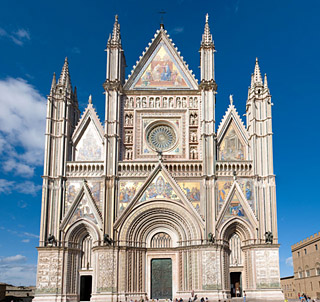
Each Pentecoste Sunday for centuries, a large crowd gathers in front of the Duomo di Orvieto to celebrate the Festa della Palombella. Despite the condemnation of animal rights advocates, a dove is placed in a plexiglass “space capsule” and launched on a zip-line across the Piazza. It arrives at the specially constructed cenacle with great fanfare of fireworks, red flames and clouds of smoke. The dove symbolizes the descent of lo Spirito Santo (the Holy Spirit) on the Apostles. It’s said that if the dove survives the traumatic journey, it portends a year of good crops and fertility for the city’s most recently wed couple, who vow to care for the dove until its natural death.

Apparently, this year “la colomba” had other plans! Somehow the container had opened prematurely and amidst a cheering crowd, the dove made her daring and defiant escape – literally and figuratively – she “flew the coop”. The question remains: If a “surviving” dove signifies a year of favorable crop yields and a “deceased” dove predicts a weak harvest, then it’s good news for farmers since a liberated dove is certainly “alive and well”.

But what is the fate of the newlyweds who were deprived of their blessing of peace and fertility? I have no doubt that every bar in town is humming with speculation about this twist of fate! The discourse and theorizing could go on for the next 365 days!
by Toni DeBella

Read Full Post »

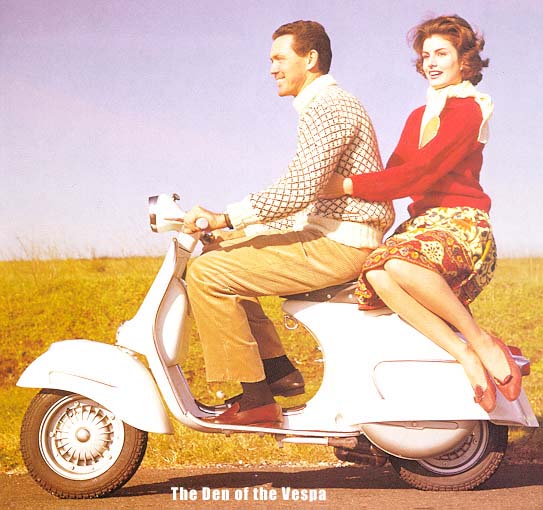
She couldn’t have been more than 18 or 19 years old. She pulled up on her Vespa alongside my cab on a warm night in Rome. She turned to her right, held her cigarette to her mouth, leaned over and without uttering a single word, the cabdriver reached out and lit her cigarette. She threw out an unenthusiastic “grazie” and drove away. I was stunned and astonished. How did this ragazza, at such a young age, manage to display such bravata?  The confidence and sheer audacity of it! She expected this man to perform on cue and he didn’t disappoint. It was a one-act play and each person had their role and they played it to perfection. More to the point, they played it with style. Romans can make even smoking look sexy!

The dictionary defines “Style” as: 1. a quality of imagination and individuality expressed in one’s actions and tastes; 2. a comfortable and elegant mode of existence; 3. a particular, distinctive, or characteristic mode of action or manner of acting.

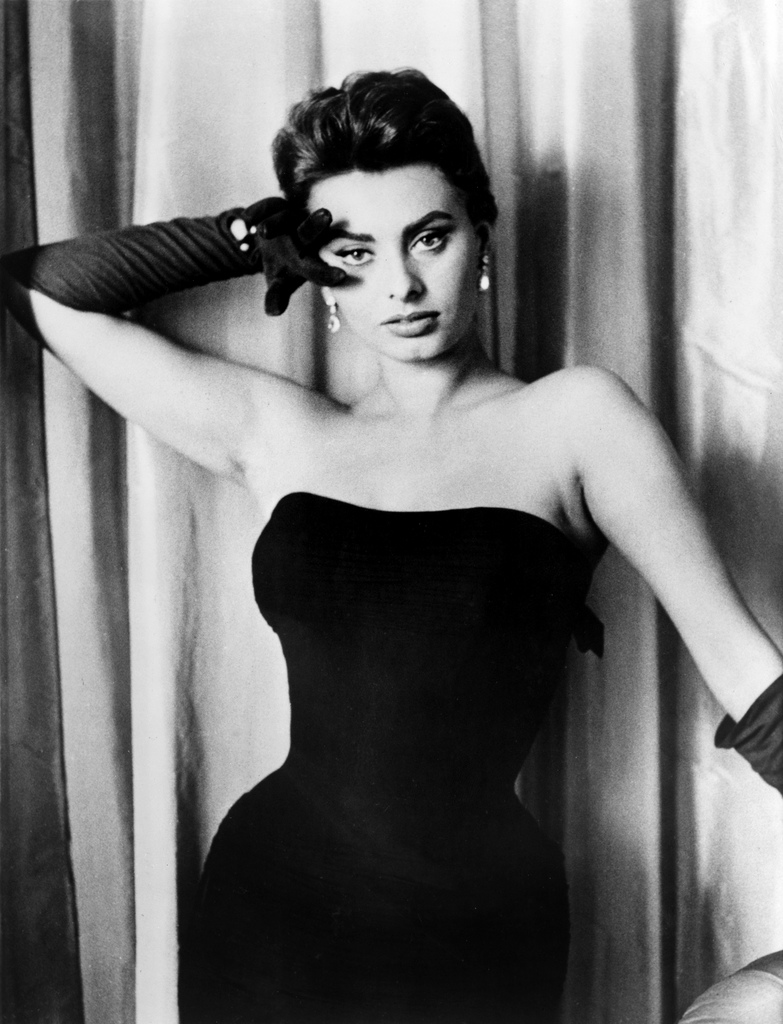
Sophia Loren

When we hear the phrase “Italian styling” what does this conger up in our minds? Elegant lines of a Maserati, a certain cut of a man’s suit, sleek and contemporary furnishings, police and carabinieri uniforms designed by Armani, ditch-diggers who look like Gucci models, and Sophia Lorens pushing baby carriages in stiletto heals on ancient cobblestones. It seems incomprehensible that these beautiful women could be as insecure and self-conscious as the rest of us, but it doesn’t matter – Italian women project a belief they are fabulous and deserving of adoration. I buy it, and more importantly, men buy it.  As far as I am concerned, that kind of confidence is the epitome of style.

A Beautiful Obsession

For Italians the term “la bella figura” is not just a saying, it’s a way of life.  My friend claims that an Italian would spend his very last dime for a pair of Dolce & Gabbana jeans before he’d pay his rent. I think that’s a bit of an exaggeration, however it certainly appears that being attractive is obligatory in Italy.  Bebbe Severgnini, the famous columnist and chronicler of the Italian psyche explains it this way, “ ‘Never judge a book by its cover’ sounds like an oversimplification in Italian. We judge books by their covers, politicians by their smiles, professionals by their offices, secretaries by their posture, table lamps by their design, cars by their styling, and people by their title.”

Italian Actor Raoul Bova

My mother, Nancy, came for a visit and we took the train to Rome for the afternoon.  We were strolling near the Piazza Barberini and walking towards us was a classically handsome Roman: tall, dark, curly-haired, chiseled features – you know, your basic Raoul Bova type. After he’d passed, my cute, lively, 78 year old mother turned to me and said, “that was a pretty one”!  Yes, they are “pretty” but being good-looking doesn’t, in itself, translate into “elegant”, “cool” or “stylish”.  A piece of art, for instance, doesn’t move you only by its beauty.  It also must tell a story, evoke an emotion and display depth and dimension.  Italian style: behind those beautiful covers is a lot of life and feeling.  When admiring an Italian’s aesthetic superiority, it’s hard to look away.  And it’s okay to look, in fact, it’s the national pastime of Italy.
by Toni DeBella

Read Full Post »

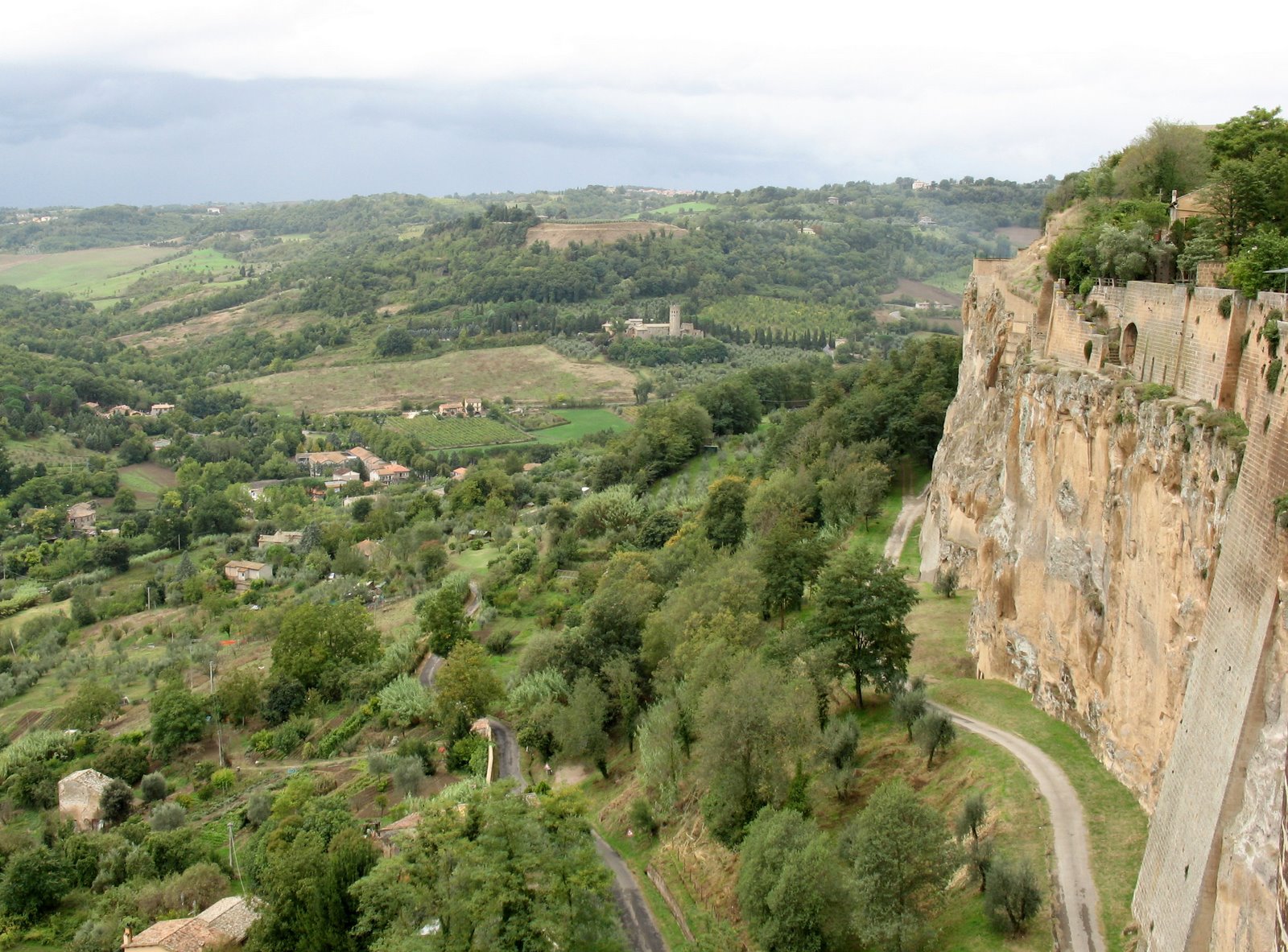
Machu Picchu, Stonehenge, the Pyramids of Giza, Mecca: All mystical and sacred places where one can find peace in the solitude and beauty of their surroundings. Add to the list Anello della Rupe – a spectacular walking trail that runs along the volcanic tufa rock on which the medieval town of Orvieto is perched. It’s a place where one can be alone, but not feel alone.  Where you can have long conversations with yourself and even answer yourself out loud, since you pass very few people along the way. Only a few meters below the city center, yet a world away.

My daily walking regime is a way to get a workout, some fresh morning air in my lungs, and perspective. The Percorso is an hour-and-a-half trek (depending on if you run, walk, or crawl) that circumnavigates the town, situated halfway down the steep cliffs.

Heavenly switchbacks

There are 5 entrances (Ingressi) to get onto the Rupe, but I personally like starting at Ingresso 5: Foro Boario. Taking the elevator down to the parking lot at Campo della Fiera, begin in a counter-clockwise direction (near the  Acquedotto medievale used by Orvietani as early as the 13th Century). After walking a few meters (past a small grouping of houses) you’ll officially enter the park.

Umbrian countryside

The natural trail is lined with rustic wooden fences and its switchbacks keep your legs and bottom in good shape. Climbing and then leveling off, you’ll come to my favorite side of the rock. Note the many grottos cut into the cliff walls and look out over the panorama for a spectacular view of the Hotel Badia – a former Abbey originally built in the 6th century with its existing structure constructed in the 12th century. A classic post card view, I can stand there forever staring at the awesome beauty of the Umbrian countryside.

Continuing up the path, you’ll come to a fork in the road where you can veer down to the Santurario di Cannicella and Necropoli estrusca (Etruscan necropolis). The remains of this sanctuary and necropolis date back to the 4th  and 6th centuries B.C., respectively. Double-back up to the main trail and you’ll continue on to another fork: Ingresso 4; Palazzo Crispo Marsciano. This is the most modern gate into the park. Its Renaissance building was designed by Antonio da Sangalllo and completed by Simone Mosca. But don’t exit just yet. Keep walking (this is the longest stretch of trail) until you come to the Grotta dei tronchi fossili (Grotto of the fossil trunks) – an artificial cavity with paleo-botanical remains that preceded the formation of the cliff some 350,000 years ago!

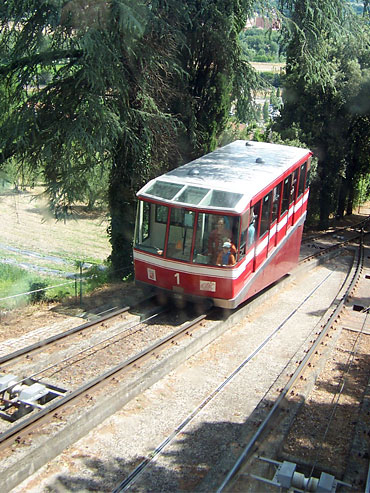
The Funicolare from the station

Another steep climb on cobblestones takes you up to the medieval entrance to the city, Porta Soliana: Ingresso 3. From here you have a view of the ruins of the Madonna della Rosa. The small, 17th-century church dedicated to the Virgin Mary. The tunnel for Orvieto’s funicolare (funicular) is right under your feet. This unique rail system was inaugurated in 1888 and connects Piazza Cahen with the train station in Orvieto Scalo.

Winter leaves pressed into the ground

You’re getting a bit of a break now, as the trail goes downhill and is shaded by trees. Further down the path it gets streeper, with the last section stairs climbing up to the road. You have to cross the road to continue on the trail. Note: Italians drive fast so pay attention at the crosswalk!

Once you’re safely on the other side, continue up the hill until you get to another fork located on your left. This is Ingresso 2: Porta Vivaria – a vertical ramp leading up to ruins of what was the medieval north gate known as dello Scenditoio. The trail splits off to the right, taking walkers to the official entrance of the famous archeological treasure of Umbria: The 5th-century, B.C. Necropoli Etrusca (Estrucan tombs of Volsinii). If the tombs are open, take the tour and then climb back up the steps to continue on the trail again. There’s more beauty still ahead.

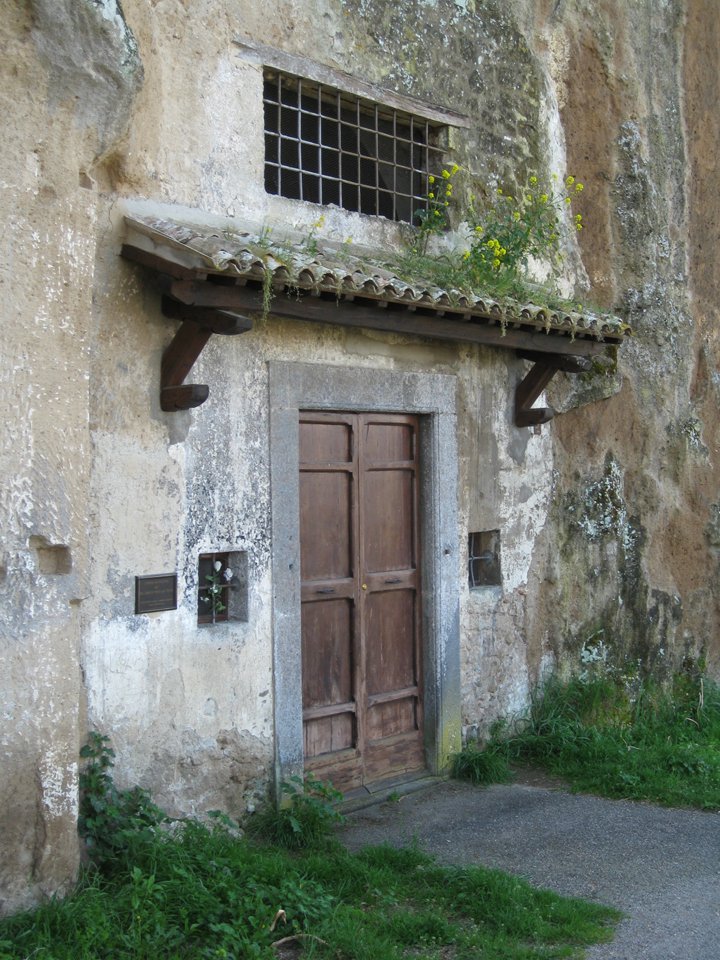
Chapel of Crocefisso del Tufo

Chiesa del Crocefisso del Tufo

Chiesa del Crocefisso del Tufo. Around the 16th century, this chapel and crucifix were carved into the volcanic rock. Sweet offerings of wildflowers are often left on its windowsills. As you get closer to Porta Maggiore, you’ll find a building on the left, the Madonna del Velo. It’s one of the few examples of 18th century ecclesiastic architecture in Orvieto, consecrated on June 5, 1751 and newly renovated.

Cross the Via della Cava at the Porta Maggiore – this gate is the oldest monumental access to the city, dating back to the Etruscan era. It points travelers to either the road to Lago di Bolsena or the A-1 (Autostradatowards Rome.

At the traffic circle, you can either cross the road and walk back through the parking lot to the elevator or escalators (a fascinating engineering feat, carved through the rock up and carrying visitors to Piazza Ranieri.)

Promenade

You have two choices here: Continue on up the pretty pedonale (promenade) with its benches and streetlamps. Walk under Porta Romana and you will be on the shoulder of the road again – be careful of cars.

Walk up Via Alberici to Via Garabaldi.   Be sure and have a euro in your pocket so you can stop at the Blue Bar for a cappuccino and friendly conversation.

Even in the “dead of winter” there is so much life on the Anello della Rupe– literally and figuratively.  Sometimes I walk with friends, but mostly I look forward to going it alone.  “La Rupe” became my best friend and confidant.  She helped me gain my confidence, showed me the strength I possessed inside and listened to me without interruption in a very reflective time of my life.  It is a transforming experience – an hour that is entirely mine to day dream.  I guess you could say it is my daily planning meeting with God – or something God-like.  La Rupe will become your friend too.  Buona passeggiata, Tutti!

*PAAO (Archaeological and Environmental Park of the Orvietano)

**All along the trail are signs posted in Italian and English with facts and information about the park and its features.

by Toni DeBella

Read Full Post »

I Nonni DeBella

I used to make the same mistake most Italian Americans make. When someone asked my nationality I always responded “I’m Italian.”  It was when I moved to Italy and became immersed in its culture that I began to detect the distinct differences between us: Italians vs. Italian Americans.  We are cousins for sure – we share ancestors, history, traditions and certain sensibilities, but we are also completely different.  It comes down to that aged-old question: nature of nurture?  Nationality: I believe it’s in our DNA.

Sono italo americana

Many Italian Americans grow up in an environment that is quintessentially American but with undertones of Italian culture threaded through everything.  Mine, I think, is typical of a lot of first and second generation families whose descendants immigrated from Italy in the late 1800s to early 1900s.  My Sicilian grandparents, Gioachino DiBella and Nimfa Pizzo, were born in small towns near Palermo, and although they were very young children when they left their homeland, they remained “from the old country” their entire lives.  The photo at the top, for example, was taken in our backyard in San Jose, California around 1965.  At the time bell bottoms and the Beatles were in fashion, but looking at my grandparents in this photo, it could have been taken in 1865!

Born in America: Parts from Italy

My parents Luke and Nancy

I would say that Italian Americans are born with an identity crisis.  We are “hybrids” – the Prius’ of American society. We feel part of a culture and experience that is in stark contrast to the Ward and June Clever-types portrayed in TV sitcoms.  Our large, loud and chaotic families are the center of our universe.  At birthdays, Baptisms, Christmas, etc., the house is filled with people from the same gene pool.  Sunday dinner is served at 1:00 p.m. at our grandparents’ house (who live with us, next door to us, or down the street from us).  Thanksgiving dinner includes the traditional turkey, stuffing, yams and homemade ravioli.  Italian American friends never call – they just stop by after dinner, often bearing brown paper bags filled with cherries, zucchini, tomatoes…whatever they have in abundance from their trees or in their gardens.

Il Segreto: The Secret

I can’t really list for you all the differences between Italians from Italy and Italian Americans, I just know we are different.  I try to resist the urge to boil people down to stereotypes because it’s never useful and not quite that simple.  However, when I am surrounded by Italians, I can feel it.  It’s like they know something that I don’t know.  It’s in their eyes, in the way they carry themselves, a sort of special grin that says to me “I have the secret” to: 1) happiness, 2) living well, 3) the meaning of life.  Italians are a fascinating composite of intelligence, cynicism, superstition, generosity, warmth, hyper-criticism, style, emotionality and humanism. You certainly have to consider that their civilization has been in existence for thousands of years.  It’s a culture of people who have seen it all, done it all and have the T-shirt. Americans are the “teenagers” of civilizations – we have a lot to learn.  We may be the most powerful country in the free world, but we are “cultural pipsqueaks” in comparison.

“Families are like fudge – mostly sweet with a few nuts.” ~Author Unknown

A family camping trip

Despite all our differences, when it comes down to it, what makes us most alike – two separate people from two different countries – is our regard for family.  Family is the cornerstone of our lives: we hold it in highest esteem – even if we don’t understand each other, fight with one another, or at times hate each other.  We never forget that home and family is where we started. And if we are lucky to have been born into a good and loving one, we hope it is where we will be in the end.  So, here’s to the family…”Alla Famiglia”. That’s Italian and Italian American.

by Toni DeBella

Read Full Post »

“I do believe they are out there, guardian angels, soul mates…eager to share with us a portion of our travel. Don’t you believe there are circumstances that determine the situations, our thoughts that shape life? I don’t remember who said: “When the student is ready the teacher comes”. I think we are like a sort of antenna, able to send and receive messages at a specific frequency. There will always be someone who catches our requests and they certainly come to help us open a new door to the vastness of our soul. You have the answer in that sense of peace warming up your heart.”  

               – Antonio, in a letter dated July 11, 2010.

I’d heard about a website where you could find mother-tongue (madre lingua) speakers with whom to practice Italian, and in turn, they could practice their English with you.  By establishing a line to an Italian pen pal (un amico di penna), might I narrow the gap and feel a little bit closer to the country I love?  I registered under my il nome italiano (Italian name) Antonella and waited for the responses.

Several days passed when I received a lovely introduction letter from Antonio, a marketing executive.  He wanted to improve his English for work.  He was obviously intelligent and serious-minded, so I wrote him back..and it begins.

Antonio writes that he was born and raised in the north of Tuscany, not far from the Ligurian and Tuscan Coasts.   He is married and has a daughter at university, is a veracious reader, an avid swimmer, and sometimes, while on his frequent business trips around Europe, a painter of landscapes.

Antonio’s letters were always introspective and soulful – they touched me deeply.  Despite the language, culture and distance that separated us, we seemed to see life from similar points of view.  In less than a month we were writing long letters to each other – mine in Italian, his in English.  With each letter we revealed a little more of ourselves (he referred to it as “loosening the knots”).  We wrote of things that we couldn’t say to our closest friends and shared times in our lives that were difficult or profound.  I felt safe to express myself without concern of judgment or criticism.  We had little to lose because, in essence, we were strangers – black letters on a white computer screen.  We called what we had created between us “il nostro angolo” (our corner) – a special place where we could be our best selves.

It was springtime and I was back in Umbria at the same time Antonio was in Rome for business, so we arranged to meet for a coffee on his way home.  For both of us the Duomo of Orvieto is a very symbolic and mystical place, so we agreed that in front of its beautiful facade was a perfect meeting point.  I’d seen a photo of him a month before, but photographs never accurately portray a person’s “presence”.  Antonio strikes a beautiful figure – tall, lean and handsome.  He wore his white hair a bit long (as many Italian men do) and his glasses highlighted his blue eyes that were so bright a color, they were somewhat distracting.  He explained he must be back in Tuscany by dinnertime and had only two hours to spend with me. It was a warm and sunny day, so we decided to walk around the narrow streets of town and talk.

Those two hours passed as if they were two minutes.  The time together was so comfortable, quiet, familiar…so perfectly normal.  It seemed more like a long-awaited reunion than a first-time meeting.  After circling town, we returned to the spot where we started and sat down on the Duomo steps.  The silence between us was deafening, but neither of us knew what words to say. He finally broke the spell when he announced it was time for him to go.  We walked back to his car arm and arm, we said our goodbyes, promised to write soon, hugged and I turned and walked away. It was the last time I saw Antonio.

Throughout the year there have been occasional short notes to one another, but really, what is the point?  We both know that nothing good can come from our continued contact and although I didn’t want to let it go, the right thing to do was to stop our correspondence.  Antonio said his life is like a gypsy’s and he once wrote this about it: “Sometimes I figure that this life is driving me slowly but constantly and directly towards my dark night”.  I think about Antonio often.  I miss our conversations and wonder where in the world he might be.  But like a little jewel, the memory of that day is stored preciously in a little box in that little “corner” that we shared.


by Toni DeBella

Read Full Post »

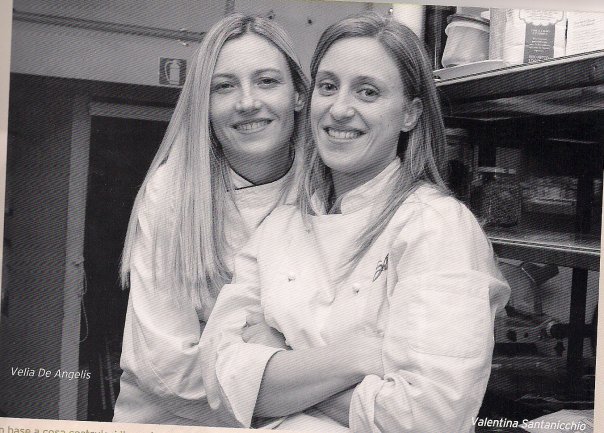
Two extraordinary women and cutting-edge chefs embarked on parallel life paths that take them on separate journeys of discovery, leading them to their passion for food and wine. Both were born in tiny farming communities in the fertile and luscious region of Umbria. They returned to their ancestral home of Orvieto, Italy, where their paths finally cross to reveal a serendipitous family connection and, as a result, they form a special bond of friendship and sisterhood. I’m extremely lucky to know them, both individually and together, and I love telling their story – it’s a story of how fate can bring surprises in the simplest ways…surprises that might be waiting for you just around the corner – or, in the case of Velia and Valentina – in your own backyard!

Velia’s story

Velia De Angelis’ family’s love for cooking dates back many generations to her great, great-grandfather Giuseppe “Peppe” Chiasso. Nonno “Peppetto” would prepare meals for the workers returning from the countryside and, as the story goes, Peppetto couldn’t help inviting everyone in the village to join them at their table – sometimes more than 30 people would be found eating in the courtyard! Just like her great-grandfather before her, Velia takes pleasure in sharing her enthusiasm for cooking, food and wine. She believes food can be the key to understanding lands, regions and people. Maybe it’s archetypical memories or the family stories passed down from generations before her that helped form Velia’s unique and creative way of cooking and inspired her to endow this gift to others in a most vivacious and effervescent way!

Velia was born in Monterubiaglio, 7km from the Etruscan hill town of Orvieto. She studied to become a primary school teacher, but in 1996 she left Italy for the United Kingdom – following her dream to create a life full of exciting and new adventures. Graduating from the University of Derby, she returned to Italy with the Virgin Company to launch the opening of Palazzo Sasso, one of the most luxurious and elegant hotels on the Amalfi Coast. It was in Positano that she opened her first cooking school and fell in love with the local cuisine of this spectacular seaside region. In 2006, Velia returned to Orvieto with her partner in life and business, GianLuca Antoiniella, and opened the energetic, trendy and late-night, La Champagneria. Along with her cooking school “Velia’s Cooking Style”, she appears weekly on “Chef Per Un Giorno” (Chef For a Day), a popular television program filmed in Rome.

Valentina’s Story

Valentina Santanicchio was born and raised on an organic farm in the feudal town of Ficulle in the countryside, 20km outside of Orvieto. It was there that she learned the importance of fresh, local and sustainable products. Located in the “Green Heart of Italy”, this region of Umbria is the capital of the “Citta’ Slow”(Slow City) movement. For centuries Italians have been thriving on “La Cucina Genuina” (genuine/authentic cuisine): Seasonal fresh ingredients and produce, locally grown and simply prepared. Returning to Orvieto after years living in Florence, Valentina’s appreciation of the deep traditions of food and wine that surrounded her as a girl had resurfaced. She took a position at a small cafe in the medieval center of town and fell in love with cooking and the restaurant world. In 2009, at the young age of 28, she opened Ristorante Al Saltapicchio, a bright, warm and instantly-popular restaurant located on the Piazza San Domenico. The perfect mix of modern ambiance and classic, authentic dishes, Valentina’s charm and energy bring something special to her innovative menu.

Velia and Valentina

I met both Velia and Valentina in the winter of 2009, nearly one year before they had been introduced to each other. It’s late February and I am back in Orvieto for my bi-annual pilgrimage to this town that I love. Valentina, Velia and I are sitting at La Champagneria late one evening, laughing and talking about life. They remind me of Lucy Ricardo and Ethel Mertz – it’s like they’ve been best friends their entire lives. It’s astounding to me that they actually managed to live, go to school, work, become chefs, open restaurants and, in a town of only 5,000 people, not collide until two years ago. Velia remembers that from the beginning she felt they were strangely connected. Valentina laughs about how they often finish each other’s sentences, are so similar in appearance (both are beautiful blonds) and approach life with the same fearlessness and audacity. It was discovered one day, by chance, that Velia’s grandmother helped to raise Valentina’s mother, Velma, after the death of Velma’s mother at a young age. To Velia and Valentina, this surprising revelation was the confirmation of what they knew in their hearts – they are “la famiglia.”

These two remarkable “forces of nature” have now combined their efforts to bring their innovative spirits and unique cooking personalities to special events and guest-hosted dinners in Umbria and throughout Italy. They have a tireless work-ethic, an unending wealth of energy, and are bottomless pits of enthusiasm. I get tired just thinking about their long hours and grueling schedules. But Velia and Valentina remain bright lights – original, strong, passionate and visionary. They are very different women, yet they are very much in tune – they are “le sorelle d’anima: Soul Sisters”.

YouTube Video:

You can see and taste the work of Velia De Angelis at La Champagneria, Piazza Marconi, 2, 05018 Orvieto (TR), tel. 0763 344102, e-mail info@champagneria-orvieto.com; at Velia’s Cooking Style, Via delle Coste, 2 – 05010 Monterubiaglio (TR) Tel 0039 338 94 63 464 | e-mail: info@veliascookingstyle.com; www.veliascookingstyle.com; and on “Chef per Un Giorno” at LA7.tv

Valentina’s Santanicchio’s wonderful Ristorante Al Saltapicchio can be found at Piazza XXIX Marzo 8/a, 05018 Orvieto, (TR). Tel. 0039 339 66 72 909. See interviews with Valentina at http://www.youtube.com/watch?v=jXIq6Q_o5cg; http://www.youtube.com/watch?v=4YRgDKP2R48; and you can read about her in an upcoming article for Conde Nast’s Traveler.

by Toni DeBella

Read Full Post »

« Newer Posts